Whitmore Design Studio works in the early stage of architecture where client conversations need to become concrete spatial options quickly. A client may have a site, a few constraints, and a rough preference, but the design team still has to explore traffic flow, room relationships, natural light, and presentation quality before anyone can make a confident decision.
Computer Agents gives the studio a faster way to move from brief to blueprint. Instead of spending days drafting the first set of concepts, the architect can work with an agent that understands the project context, generates multiple floor plan options, keeps the files in one workspace, and supports iteration through natural language.
The challenge of modern architecture
Architects spend countless hours on initial floor plan concepts. Clients want to see options, revisions pile up, and the creative work can get buried under drafting and documentation overhead.
For a small studio, every early concept meeting matters. Showing only one option can make the process feel narrow, but producing a dozen strong options manually is expensive. Whitmore Design Studio uses Computer Agents to widen that exploration phase without stretching the project timeline.
From brief to blueprint faster
The workflow starts with a plain-language brief: site dimensions, room requirements, style preferences, client constraints, and the intended use of the space. The agent can turn that into floor plan variations, compare layout tradeoffs, and help the architect decide which directions are worth refining.
Because the work happens inside a persistent workspace, the generated files, notes, and follow-up ideas stay attached to the project. Later runs can continue from the current design direction instead of starting from a new blank chat.
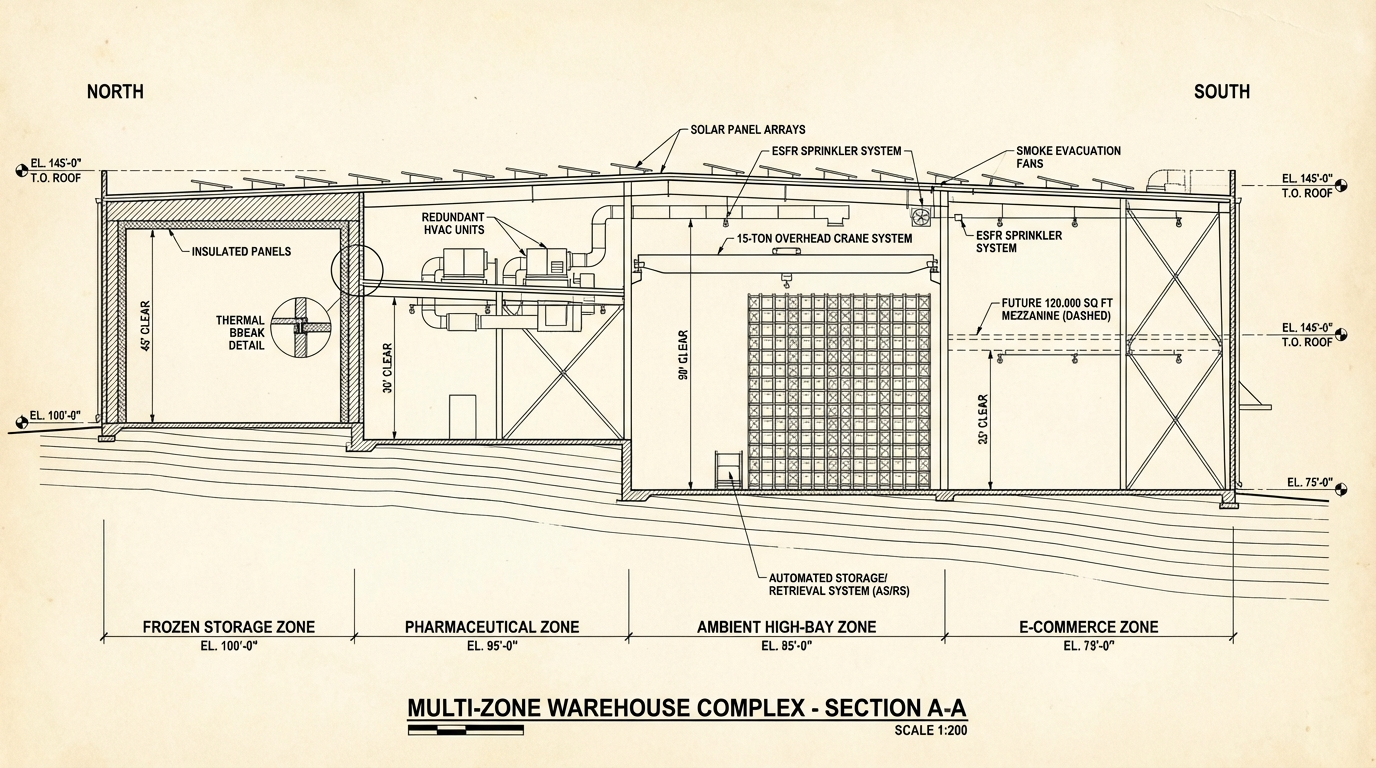
More options before the first meeting
The biggest change is not just speed. It is optionality. The architect can bring more directions into the conversation: open-plan arrangements, compact layouts, commercial office concepts, family-home variants, and premium designs that test a different design language.
That makes client feedback more productive. Instead of reacting to one proposed plan, the client can compare alternatives and explain what feels right. The architect then uses that feedback to refine the best option with the agent still carrying the project context forward.
“I used to spend days on initial floor plan concepts. Now I generate a dozen variations before my morning coffee. My clients love seeing options, and I love having more time for the creative work that really matters.”
Presentation-ready concepts with continuity
Computer Agents helps Whitmore Design Studio treat early concepts as reusable project artifacts. Plans, notes, constraints, and feedback can stay connected, making it easier to prepare client presentations and continue the design conversation over multiple sessions.
That continuity is important because architecture decisions are cumulative. A window placement, circulation path, or room adjacency may come from an earlier conversation. The workspace keeps those decisions accessible to the agent and the human designer.
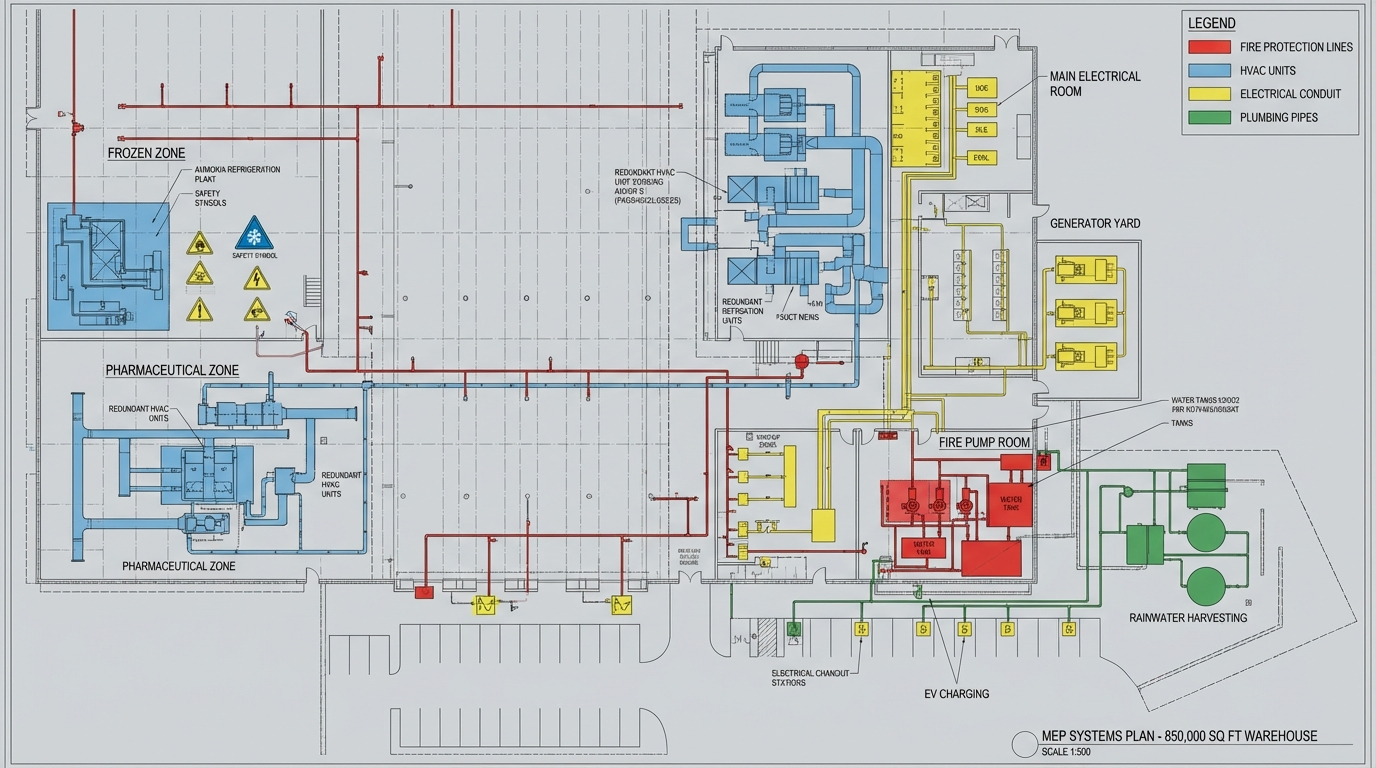
What this makes possible next
Whitmore Design Studio shows how Computer Agents can support creative professional work without reducing the human role. The architect still owns taste, judgment, client communication, and final decisions. The agent accelerates the exploration and preparation work around those decisions.
For studios that need to move faster without lowering quality, this changes the economics of early design. More concepts can be explored, more client feedback can be incorporated, and more time can be spent on the high-value creative work that makes a project distinct.